🌏한줄 인사이트🌏
호르무즈 해협 봉쇄 리스크로 인해, 인니의 황 수입 리스크로 인니 니켈 생산에 차질이 발생할 수도 있다. 원가 상승이 니켈가격으로 전가된다면 한국 배터리사들은 구매비용이 상승할 것이다.
============================
출처 : Mining.com
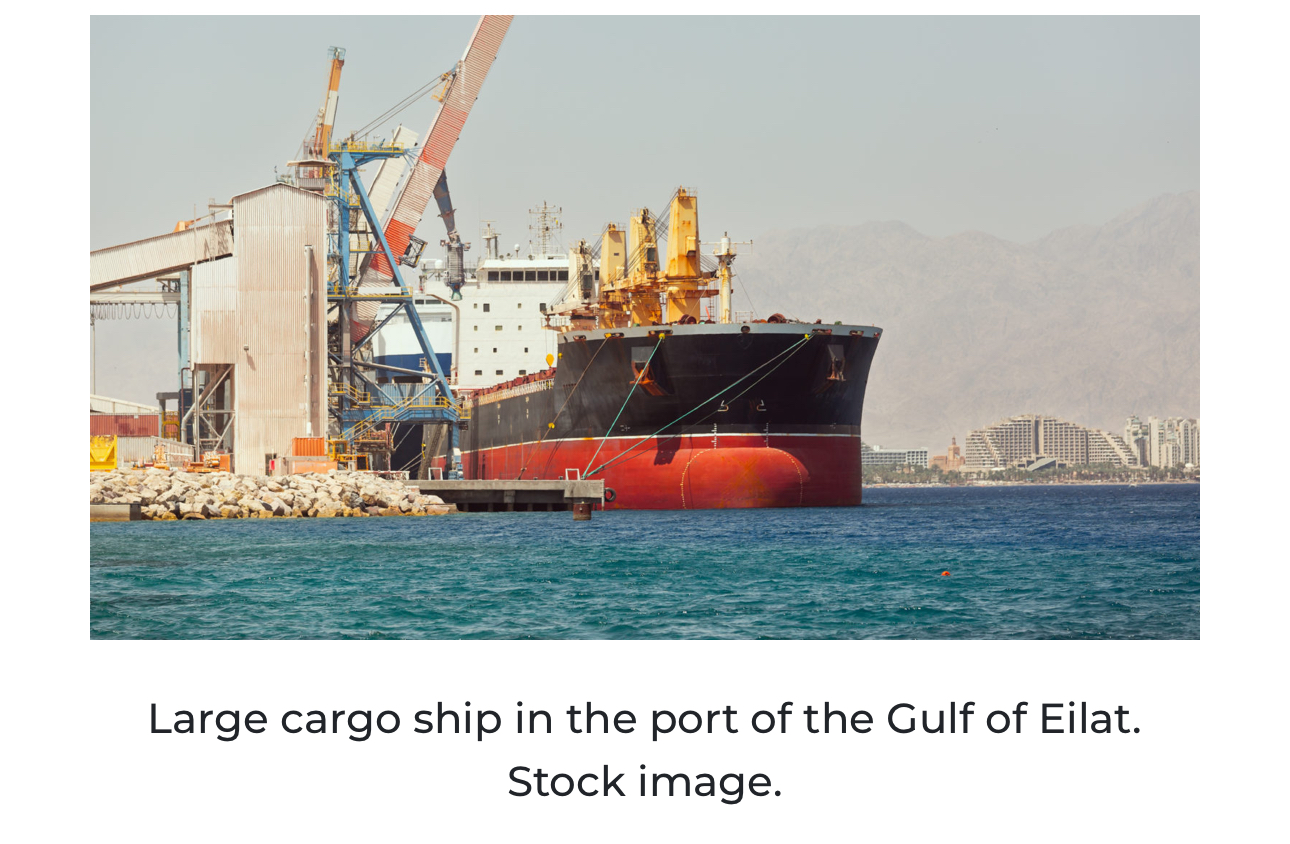
Nickel makers in Indonesia reliant on the Middle East for 75% of the sulphur they use may have to cut production as Gulf shipping is increasingly disrupted by the conflict in the region, analysts said.
Sulphur is used to make sulphuric acid, which is essential for leaching metals from ore in nickel refining and copper processing, with some copper producers in Africa potentially facing similar problems.
The Middle East accounted for around 24% of global sulphur production at 83.87 million metric tons last year, according to the US Geological Survey.
But disruption to shipping in the Strait of Hormuz, as a result of US and Israeli attacks on Iran and Tehran’s widening retaliation, is threatening to squeeze supplies.
Indonesia, home to more than 50% of global nickel production, imports roughly three quarters of its sulphur from the Middle East, according to Peter Harrisson, analyst at consultancy CRU. The country’s nickel is used mostly to make stainless steel.
Sulphur stockpiles at high-pressure acid leaching nickel plants average only one to two months’ worth of consumption, according to two sources at Chinese refiners in Indonesia, who declined to be named as they are not authorized to speak publicly.
Sulphur costs already accounted for about half the cost of running a HPAL plant before the conflict broke out because of a huge run-up in prices, according to Marco Martins, an analyst at Project Blue. Without alternatives, plants could be forced to start cutting production by next month, he added.
Scramble for supplies(공급 확보 경쟁)
A scramble for supplies would pit nickel refiners in Indonesia against copper miners in Africa, and both against fertilizer makers around the globe, which are also seeking replacements for Middle Eastern sulphur.
CRU’s Harrisson said sulphur prices had already increased to around $500 a ton before the conflict started and have, indicatively, climbed another 10-15% since.
In southern Africa, current sulphur stockpiles of around 900,000 tons in warehouses will only last a few weeks, a logistics source based in Zambia said.
Democratic Republic of the Congo imported about 1.3 million to 1.4 million tons of sulphur to produce copper last year, the majority from the Middle East, according to Harrisson.
Sulphuric acid can also be produced as a byproduct of copper smelting and copper miners in Africa which own or are located near smelters will be at least partly shielded from shortages.
First Quantum Minerals’ copper operations in Zambia are unaffected because the company sources acid from its own smelters, country director Anthony Mukutuma told Reuters.
However, not all miners will have ready access to smelter-produced acid and many still rely on sulphur purchases, according to Project Blue’s Martins.
Robert Friedland, founder of Ivanhoe Mines, which co-owns a sulphuric acid plant producing 1,200 tons per day at its Kamoa-Kakula copper project in Congo alongside Zijin Mining, said in a post on X that prices are likely to rise further.
“If vessel flows are constrained for more than two weeks, it would seem inevitable that consumption will either need to defer or slow down,” CRU’s Harrisson said.
'배터리🔋' 카테고리의 다른 글
| [리사이클링] 현대차그룹-화유리사이클, 인니 EV 배터리 순환경제 구축 협력 (0) | 2026.03.16 |
|---|---|
| [코발트] LG엔솔-(캐)Electra, Offtake 조건 변경(생산량의 80%->60%) (1) | 2026.03.15 |
| 배터리 소재 가격 경쟁력 강화를 위한 공급망 전략 (2) | 2026.03.08 |
| [음극재] 포스코퓨처엠, 베트남에 인조흑연 음극재 공장 신설 (1) | 2026.03.06 |
| [음극재] 포스코퓨처엠이 독점한 음극재 시장…HS효성, 실리콘 소재로 도전 (0) | 2026.03.06 |


